


There is a room in Morgantown that holds more of West Virginia’s written memory than any other place on earth, and most family researchers have never set foot in it, or online. The West Virginia and Regional History Center, up on the sixth floor of the Downtown Campus Library at West Virginia University, is the great manuscript collection of the state, more than four thousand collections and something like twenty thousand linear feet of paper covering West Virginia and the central Appalachian region. This is where you find the letter, the diary, the church register, or the coal company payroll that turns a name on a census into an actual person. Here is what is in it, and how to get at it without leaving your kitchen table.
What the Center actually holds
Think of the Center in a few layers.
The first layer is the manuscripts, the reason the place exists. Personal and family papers. Church records, which matter enormously in a state where county birth and death registration was thin before the 1850s and spotty for decades after; a baptism in a church register may be the only birth record your ancestor ever got. Business and coal company records, including the payroll and store ledgers that tracked mining families in detail. These are the one-of-a-kind materials that exist nowhere else.
The second layer is the county records on microfilm. The Center holds filmed county records for roughly thirty West Virginia counties, reaching back into the 1700s: deeds, surveys, land and property tax books, births, deaths, marriages, wills, and estate settlements, with detailed indexes for about a dozen counties. It also has the federal census on microfilm from 1810 to 1930. So you can browse original county records here without driving to each courthouse.
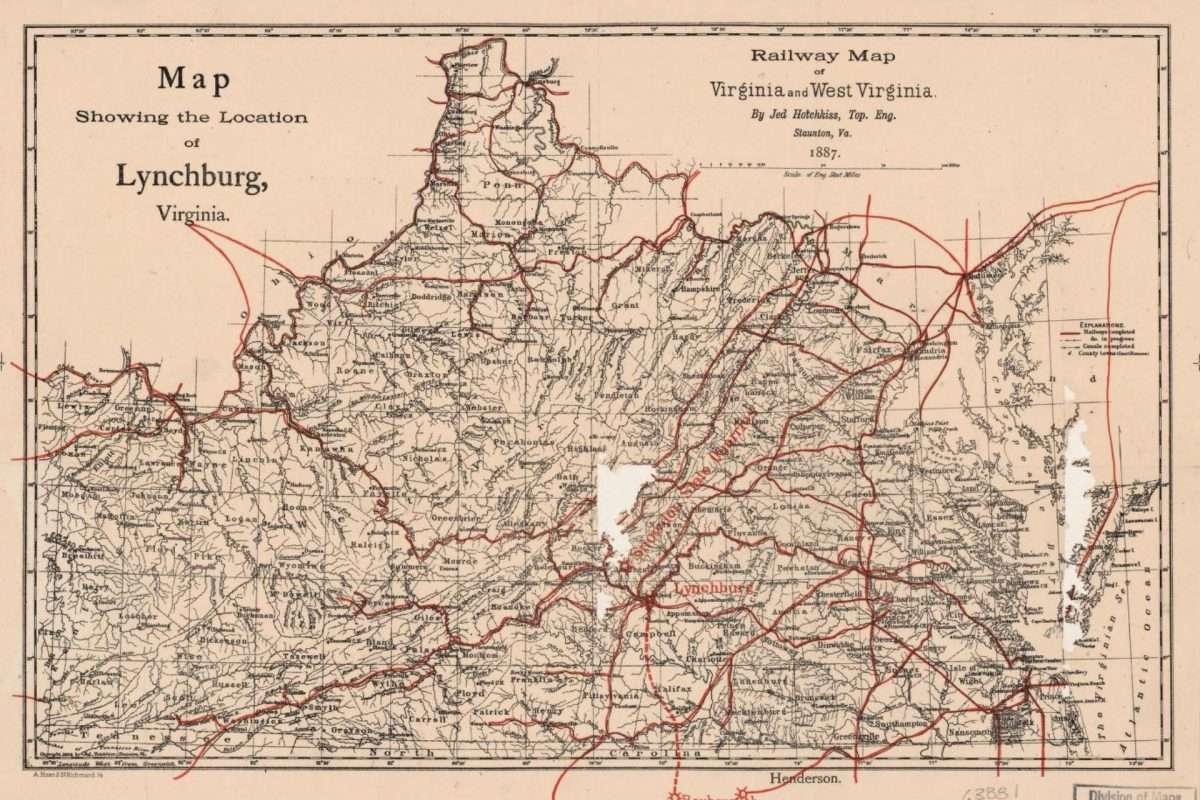
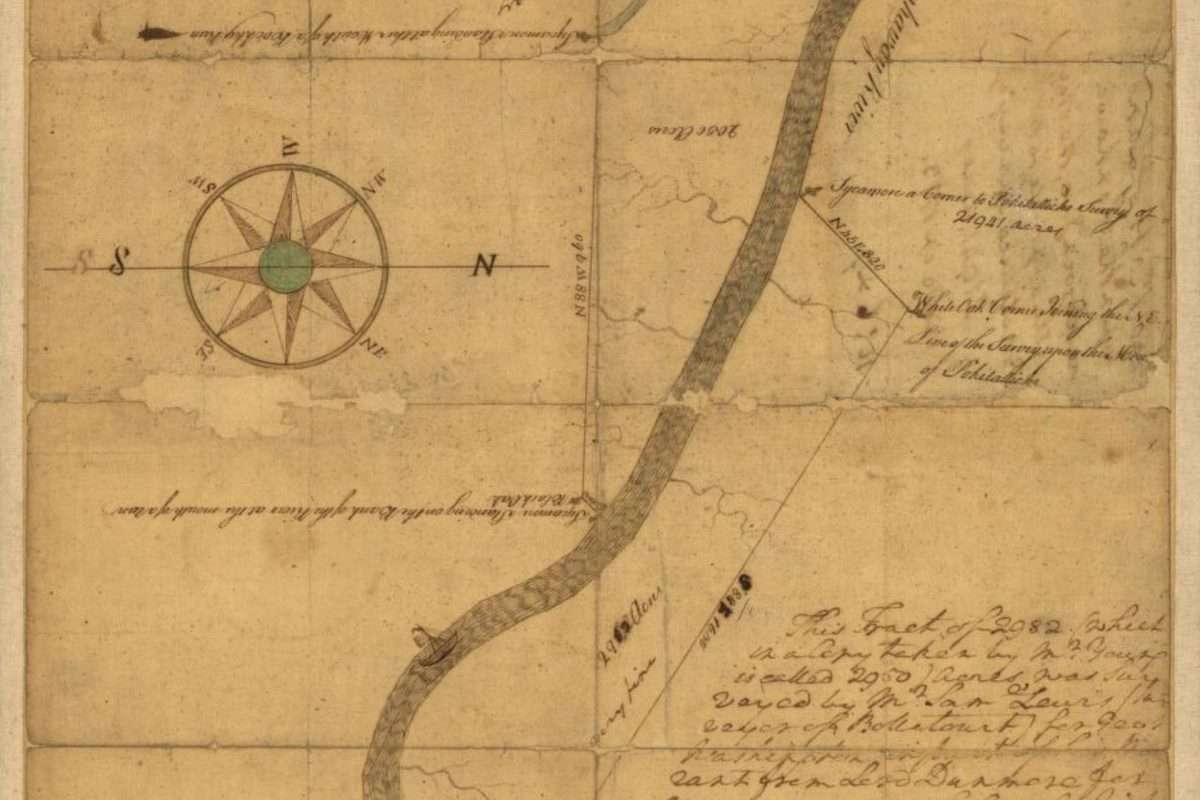
The third layer is the visual and published record. Maps, atlases, and gazetteers. A photograph collection of more than fifty thousand images, most from the 1850s through the 1970s. Oral histories recorded from the 1940s into the 1980s. And a newspaper collection running from 1791 to the present, the single best trove of West Virginia obituaries and local news anywhere.
Which building for which job
Here is the distinction that saves people a wasted request, because West Virginia’s records are split between two institutions. If you want a birth, death, or marriage certificate, that is the West Virginia State Archives in Charleston, and their free Vital Research Records database is where those scanned certificates live. If you want manuscripts, family papers, photographs, newspapers, or original county records on microfilm, that is the History Center at WVU in Morgantown. Certificates in Charleston, everything else in Morgantown. Keep that straight and you will always start in the right place.
How to search it from home
You do not have to visit to find out what is there. Three free tools do the work.
Start with the online finding aids, the Center’s ArchivesSpace catalog. This is where you search across all four thousand-plus manuscript collections by name, place, subject, or keyword. If your family papers, or a collection that mentions your family’s church or company or community, are in the building, this is how you find them.
For photographs, go straight to West Virginia History OnView, the Center’s image database, more than fifty thousand historic photos you can search by name, place, or subject. This is where you go looking for a picture of the town, the coal camp, the church, or, if you are lucky, the people themselves.
And there is a broader digital collections portal for the materials that have been scanned in full, from Storer College photographs, which are a strong resource for African American family research, to Civil War hospital records and more.
Do not sleep on the newspapers and photographs
Two of the Center’s collections deserve a special mention, because they deliver for family researchers again and again.
The newspaper collection, running from 1791 to today, is the best source of West Virginia obituaries in existence, and an obituary from the right decade can name a spouse, list surviving children and their married names and home towns, and hand you a death date the county never recorded. If you can give the staff a name, an approximate date, and a place, they can go looking in the papers for you. The obituary is often the single densest paragraph ever written about an ordinary ancestor.
And West Virginia History OnView, the photograph database, is worth an hour of anyone’s evening. Fifty thousand images means a real chance of finding the main street your family walked, the coal camp they lived in, the school the children attended, or now and then a face. Search your surname, search the town, search the county. Even when the people themselves are not pictured, the place they lived is, and that is its own kind of record.
Learn to read a finding aid
If you have never used an archive, the finding aid is the one skill to learn, and it takes about five minutes. An archive is not a website where every page has been scanned and posted. It is boxes on shelves. A finding aid is the map to one collection: it opens with a description of who created the papers, when, how big the collection is, and what is in it, and then it gives you a box-and-folder list, literally telling you that folder 3 in box 12 holds the 1890s correspondence.
So the workflow is not “search and read.” It is search the finding aids to identify the exact box and folder you want, then either go pull it in the reading room or ask the staff to scan those specific folders for you. Once you understand that, the whole archive opens up, because you stop expecting it to behave like Google and start using it the way it was built.
How to actually use it
You have two roads in, remote and in person.
Remotely, the Center takes reference questions and reproduction requests through an online form on their website. Staff will do a limited amount of research on your behalf and scan a reasonable number of pages for an out-of-town patron, though there is a cap on how much free research and scanning they can do per person, and turnaround can run a few weeks depending on how busy they are. So ask precise questions. “Please scan the obituary for John Smith, died March 3, 1911, in Fairmont” will get you further than “tell me about the Smiths.”
In person, the reading room is open on a weekday schedule, and you register as a patron before your first visit. Microfilm and general reference are usually walk-in, but to see the actual manuscripts, rare books, and other special materials you need to make an appointment a couple of business days ahead, because someone has to pull the boxes. Materials do not leave the room, and it is the usual archive rules inside: no food, pencils not pens. Check the Center’s website for current hours and the reproduction request form before you go or send anything, since hours shift around the university calendar.
The Center can feel like a place for professors, and plenty of professors do use it. But it was built to hold exactly the kind of records that break family walls, and its staff are used to helping researchers who have never done this before. Search the finding aids, find your box, and ask. The letter that makes your ancestor real may have been sitting on that sixth floor the whole time.This is one of the deep dives branching off The West Virginia Genealogy Deep Dive, my full walkthrough of how research in this state actually works. Found a collection in the finding aids and not sure what you are looking at? Bring it to the Front Porch and we will sort it out. New guides land first in The Porch Light Post.




0 Comments